 Horse Riding Hotels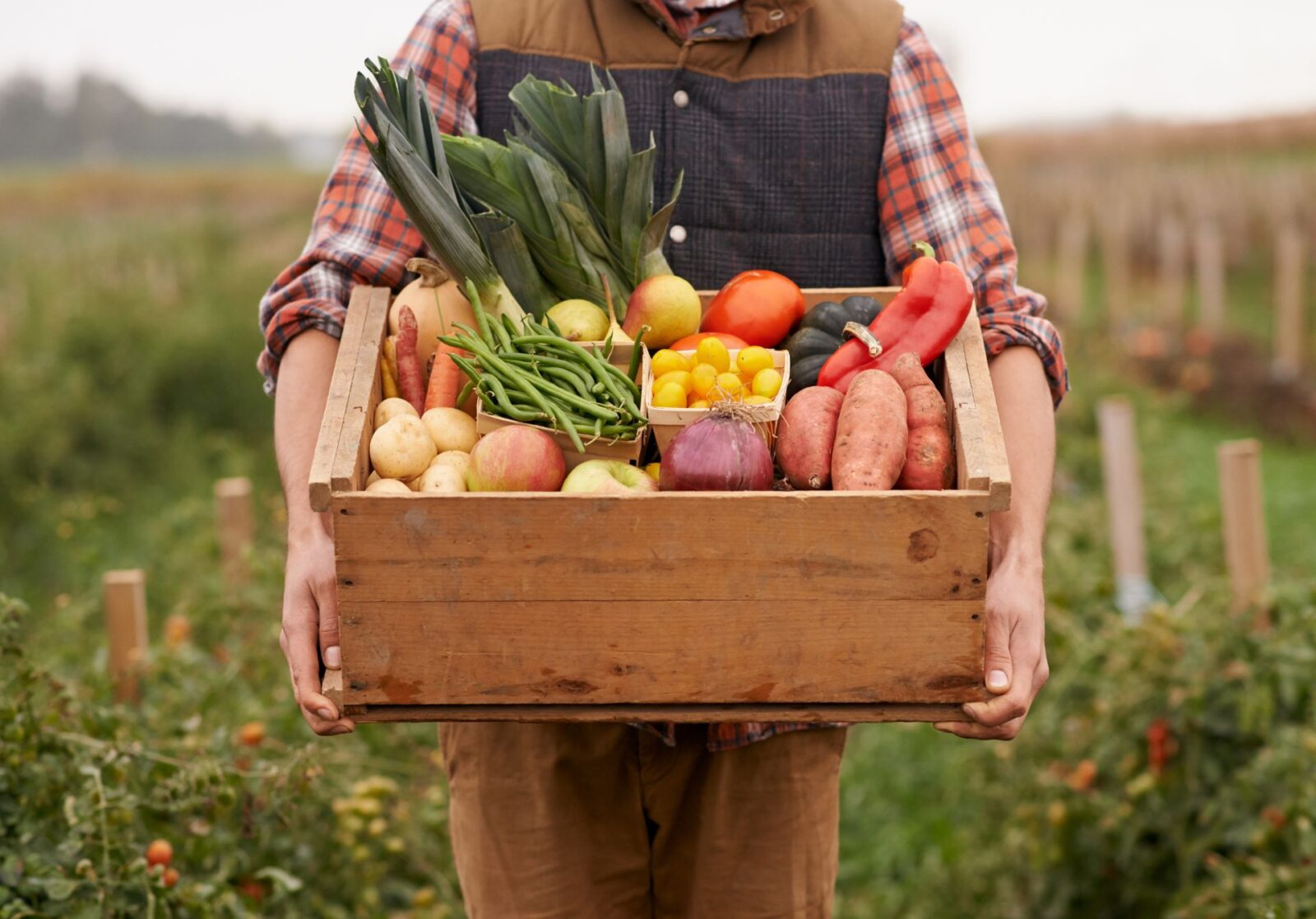
In an era where conscious dining has become more than just a trend, discerning travelers are seeking accommodations that celebrate the authentic flavors of their destinations. The farm-to-table movement has transformed luxury hospitality, with gastronomic hotels forging partnerships with local farmers, fishermen, and artisan producers to create extraordinary culinary experiences.
These properties don’t merely serve food; they tell the story of their region through every carefully sourced ingredient, honoring tradition while championing sustainability. From the sun-drenched shores of the Mediterranean to the misty cloud forests of Central America, a new generation of hotels is redefining what it means to dine well by reconnecting guests with the land that nourishes them.
1. Elounda Mare Relais & Châteaux Hotel, Elounda, Greece
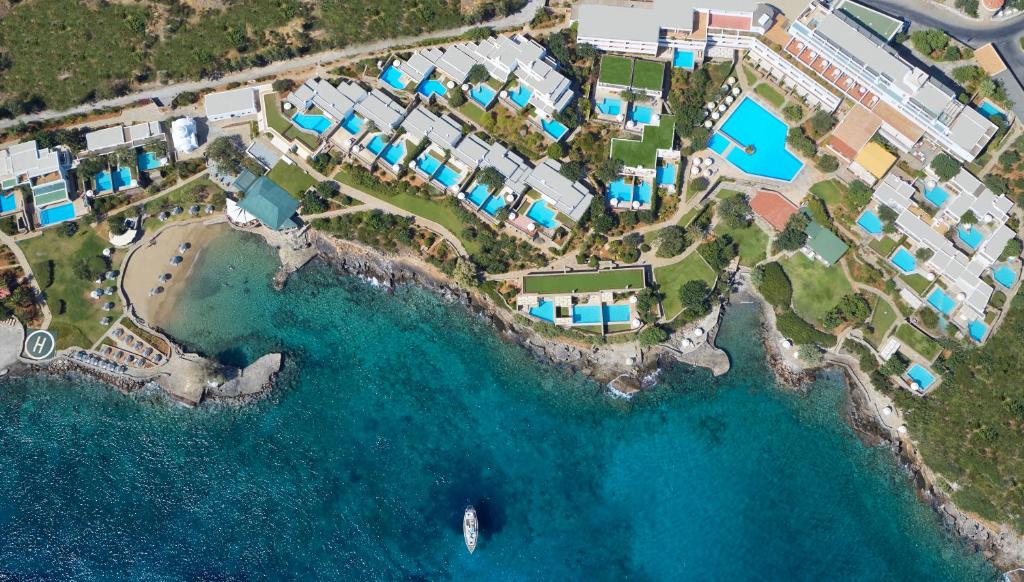
Perched on the northeastern coast of Crete, Elounda Mare stands as a beacon of Mediterranean elegance and culinary authenticity. This distinguished member of Relais & Châteaux has cultivated deep relationships with local farmers and fishermen across the island, ensuring that each dish reflects the rich agricultural heritage of Crete. The hotel’s chefs work closely with nearby villages, sourcing wild greens foraged from mountain slopes, golden olive oil from century-old groves, and fresh fish pulled from the Aegean each morning.
Guests dining at the property’s acclaimed restaurants experience the true essence of Cretan cuisine, where heirloom tomatoes still warm from the sun meet tangy mizithra cheese crafted by third-generation shepherds. The hotel’s commitment extends to its breakfast spreads, featuring thyme honey harvested from hillside apiaries and rusks baked using traditional methods passed down through generations. By maintaining these partnerships, Elounda Mare doesn’t just feed its guests; it preserves a culinary culture thousands of years in the making.
Book the room at Elounda Mare Relais & Châteaux Hotel
2. El Silencio Lodge & Spa Costa Rica, Toro Amarillo, Costa Rica
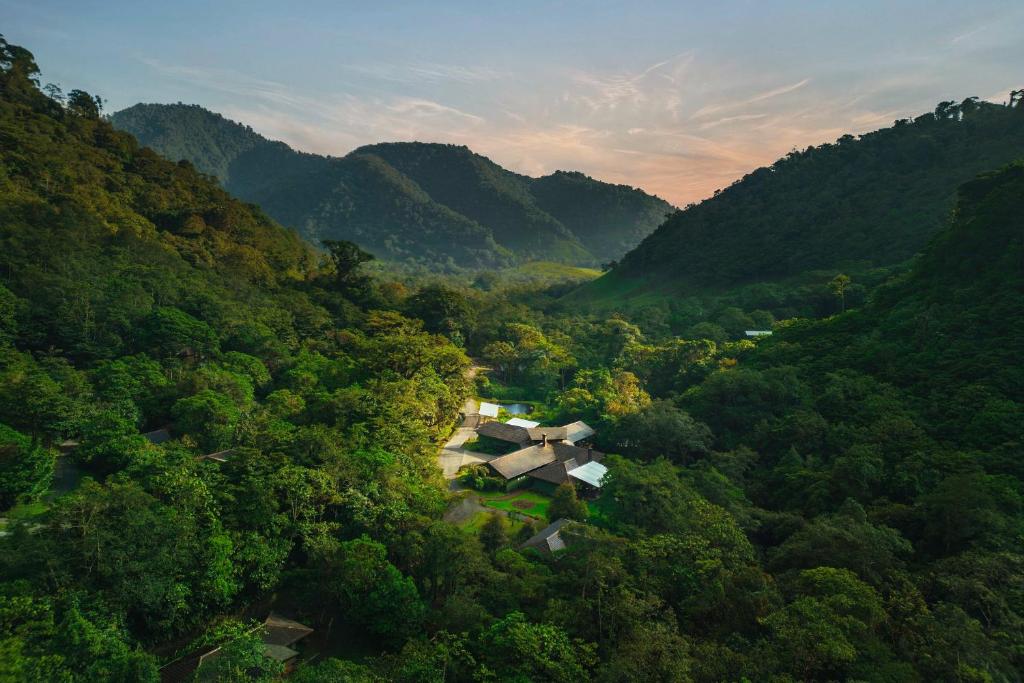
Nestled within the emerald embrace of Costa Rica’s cloud forest, El Silencio Lodge & Spa has transformed sustainable luxury into an art form. The property’s farm-to-table philosophy begins literally steps from the kitchen, where an extensive organic garden produces vibrant vegetables, aromatic herbs, and tropical fruits that form the foundation of each meal. What cannot be grown on-site comes from carefully selected local farmers who share the lodge’s commitment to organic and regenerative agriculture.
The culinary team celebrates Costa Rica’s biodiversity by incorporating lesser-known native ingredients, from palmito hearts to exotic fruits like cas and mamón chino, educating guests about the country’s remarkable food heritage. Morning coffee served on private terraces comes from beans grown in nearby valleys, while evening meals might feature organic beef from highland ranches or fresh trout from sustainable mountain streams. The lodge’s transparent sourcing means guests can often meet the farmers during special farm visits, understanding firsthand the dedication required to produce food in harmony with the rainforest ecosystem that surrounds them.
Book the room at El Silencio Lodge & Spa Costa Rica
3. Château Roslane Boutique Hôtel & Spa, Meknès, Morocco
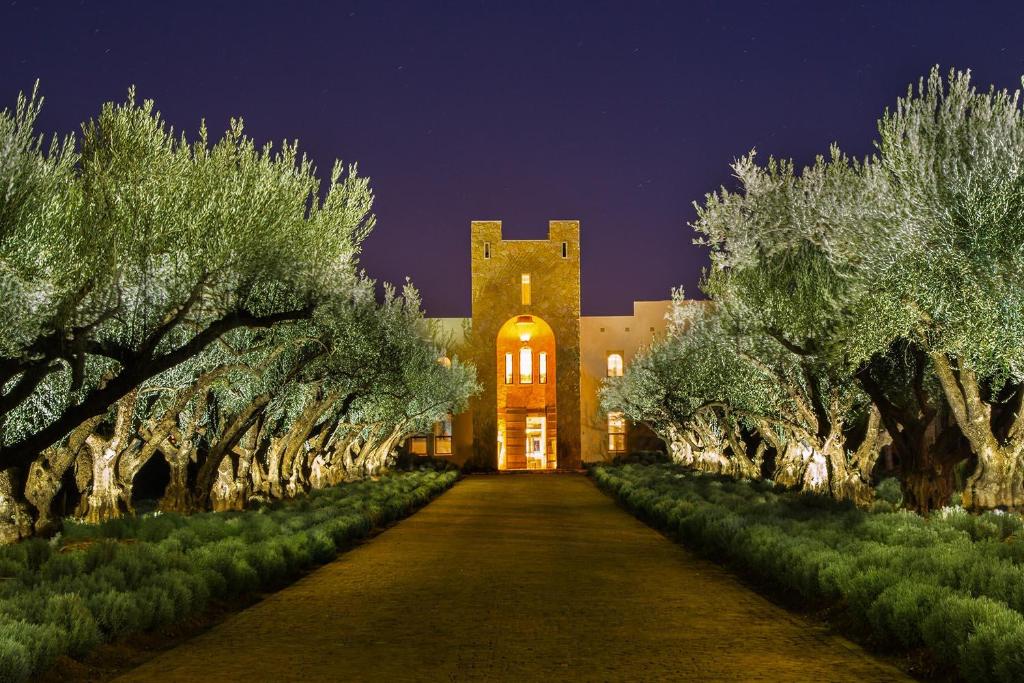
In the imperial city of Meknès, Château Roslane has mastered the delicate balance between French refinement and Moroccan authenticity through its devotion to local sourcing. Set within a working vineyard that produces exceptional wines, the property draws from the Saïss Plain’s agricultural abundance, one of Morocco’s most fertile regions. The hotel’s culinary team forges relationships with nearby cooperatives and family farms, sourcing everything from jewel-toned olives and preserved lemons to fragrant ras el hanout blended by local spice merchants using generations-old recipes.
Vegetables arrive daily from market gardens where traditional irrigation methods dating back centuries still nourish the soil, while lamb comes from nomadic herders whose flocks graze the surrounding highlands. The property’s signature dining experiences showcase this bounty through dishes that honor Moroccan culinary tradition while incorporating contemporary technique. Guests might savor tagines prepared with vegetables harvested that morning, or break bread—quite literally—with loaves baked in wood-fired ovens using heritage wheat varieties. This commitment to local sourcing supports regional agriculture while offering travelers an authentic taste of Morocco’s diverse gastronomic landscape.
Book the room at Château Roslane Boutique hôtel & Spa
4. Avaton Luxury Beach Resort – Relais & Chateaux, Ouranoupoli, Greece
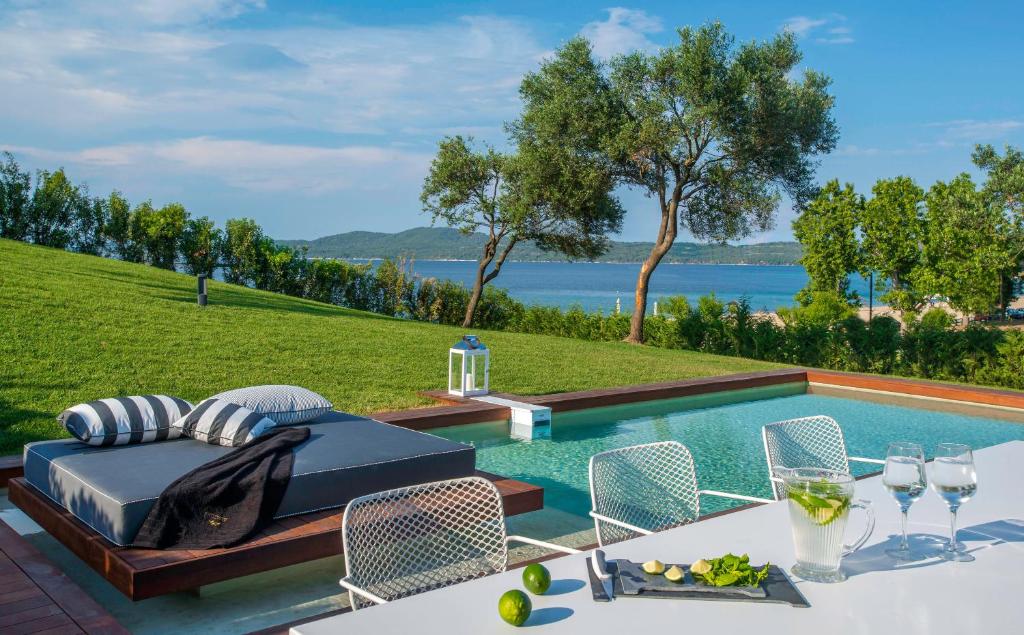
Where the crystalline waters of the Aegean meet the mystical Mount Athos peninsula, Avaton Luxury Beach Resort has become a sanctuary for those seeking Greece’s most authentic flavors. The resort’s culinary philosophy centers on hyperlocalité—sourcing from the immediate surroundings to capture the true essence of northern Greece. Fishermen deliver their catch directly to the kitchen, bringing sea bass, red mullet, and octopus still glistening with sea spray, while the hotel maintains partnerships with small-scale farmers throughout the Chalkidiki region.
These collaborations yield treasures like hand-picked capers, sun-dried tomatoes with concentrated sweetness, and wild oregano that perfumes the hills. The resort’s gardens contribute fresh vegetables and herbs to each meal, while local beekeepers provide raw honey with notes of pine and thyme. Olive oil comes from nearby family groves where trees planted generations ago still bear fruit, pressed within hours of harvest to preserve maximum flavor and nutrition. Through these careful relationships, Avaton offers more than luxury dining—it provides an immersive journey into a food culture shaped by both earth and sea.
Book the room at Avaton Luxury Beach Resort – Relais & Chateaux
5. Borgo Dei Conti Resort Relais & Chateaux, Monte Petriolo, Italy
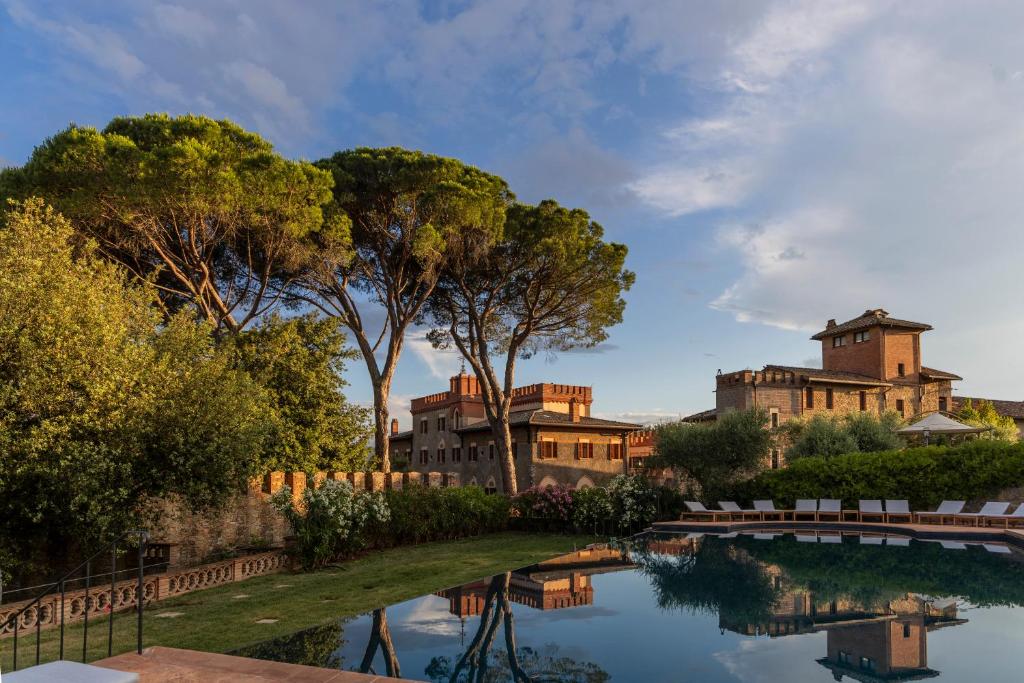
In the rolling hills of Umbria, Borgo Dei Conti Resort embodies the Italian philosophy of campanilismo—pride in one’s local region—through its unwavering commitment to zero-kilometer cuisine. This restored medieval hamlet operates its own organic farm, where heritage vegetable varieties flourish alongside olive groves and vineyards that have belonged to the estate for centuries. What cannot be produced on the property comes from a carefully curated network of local artisans: butchers who practice traditional salumi-making, cheese makers crafting pecorino in mountain huts, and millers grinding ancient grain varieties into flour for fresh pasta made daily.
The resort’s chefs design menus that change with the seasons, celebrating spring’s tender fava beans and peas, summer’s succulent tomatoes and zucchini flowers, autumn’s porcini mushrooms and truffles, and winter’s hearty greens and legumes. Guests can participate in olive harvests, learn to make cheese from a local master, or simply enjoy evening meals knowing that every ingredient has traveled mere kilometers from soil to plate, capturing Umbria’s essence in each thoughtfully prepared bite.
Book the room at Borgo Dei Conti Resort Relais & Chateaux
6. CAP Menorca Relais & Chateaux, Son Bou, Spain
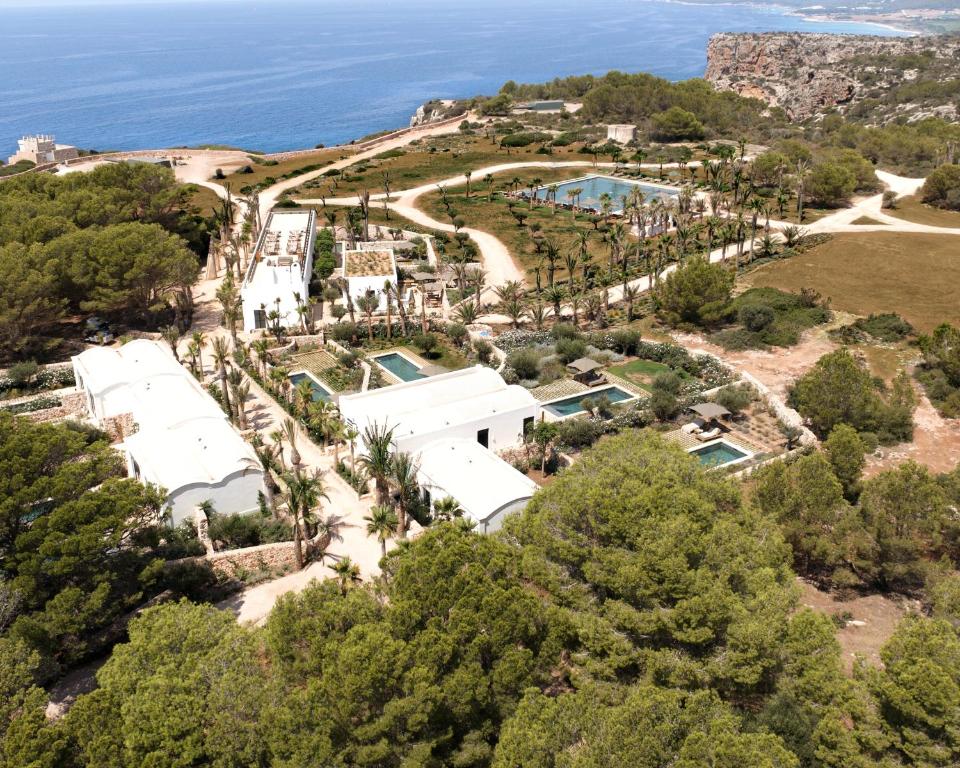
On the untamed southern coast of Menorca, CAP Menorca has reimagined barefoot luxury through a profound connection to the island’s agricultural traditions and protected landscape. The hotel works exclusively with Menorcan producers, supporting the island’s designation as a UNESCO Biosphere Reserve through conscious sourcing decisions that prioritize environmental stewardship. Local fishermen supply the resort’s restaurants with seafood caught using sustainable methods, while farmers deliver produce grown using techniques that protect the island’s delicate ecosystem.
The property champions Menorca’s gastronomic heritage by featuring protected designation products like Mahón-Menorca cheese, aged in caves with the same methods used for generations, and gin distilled at historic distilleries that have defined the island’s spirit since the 18th century. Vegetables arrive from small family farms where crop rotation and traditional irrigation preserve soil health, while free-range eggs and poultry come from nearby homesteads. The hotel’s commitment extends to its wine program, showcasing bottles from Menorca’s emerging wine scene where vintners are reviving indigenous grape varieties. This dedication to hyperlocal sourcing allows guests to taste Menorca’s unique terroir while supporting an agricultural economy that protects the island’s natural beauty.
Book the room at CAP Menorca Relais & Chateaux
7. Château de la Gaude, Aix-en-Provence, France
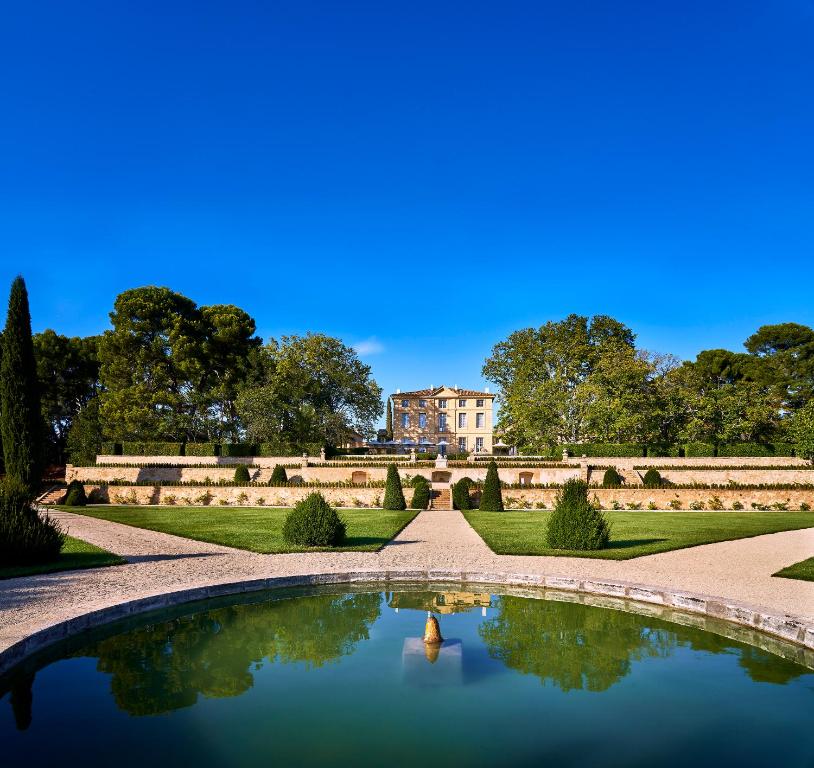
Amid the lavender fields and limestone hills of Provence, Château de la Gaude stands as a temple to the farm-to-table philosophy that has defined French cuisine for centuries. This elegant wine estate, with its Michelin-starred restaurant, sources from a constellation of local producers who embody Provençal agricultural excellence. The property’s own vineyards produce award-winning rosés and reds, while the culinary team maintains relationships with market gardeners, truffle hunters, and olive oil producers across the region.
Summer tomatoes arrive from fields near Saint-Rémy, still radiating warmth and bursting with concentrated flavor, while spring asparagus comes from sandy soils near Avignon where the white variety achieves legendary status. The château works with heritage livestock breeders who raise animals on open pastures, and with fishermen from the Mediterranean coast who bring the day’s catch to the kitchen door. Herbs gathered from the estate’s own gardens—thyme, rosemary, and savory—perfume dishes that change daily based on market availability. This radical seasonality, combined with impeccable technique, creates cuisine that captures the soul of Provence, where every ingredient speaks of sun, soil, and centuries of agricultural wisdom.
Book the room at Château de la Gaude
The hotels featured in this journey represent more than luxury accommodations; they are custodians of regional food cultures and champions of sustainable agriculture. By forging meaningful partnerships with local farmers, fishermen, and artisan producers, these properties create dining experiences that are both deeply rooted in place and utterly contemporary. Guests leave not only satisfied but enriched, having tasted the authentic flavors of each destination while supporting the agricultural communities that preserve them.
As the farm-to-table movement continues to evolve, these gastronomic hotels prove that true luxury lies in simplicity, seasonality, and respect for the land—values that transform every meal into a celebration of terroir and tradition. In choosing to support local sourcing, they offer travelers something increasingly rare: a genuine connection to the places they visit, one delicious bite at a time.